
How Quebec Parents Can Recognize and Respond to Bullying
In Quebec, every centre de services scolaire must have a policy in place to address bullying. But beyond these institutional responsibilities, parents play a critical role — especially when it comes to recognizing signs and supporting their child through a difficult time.
What Does Bullying Look Like?
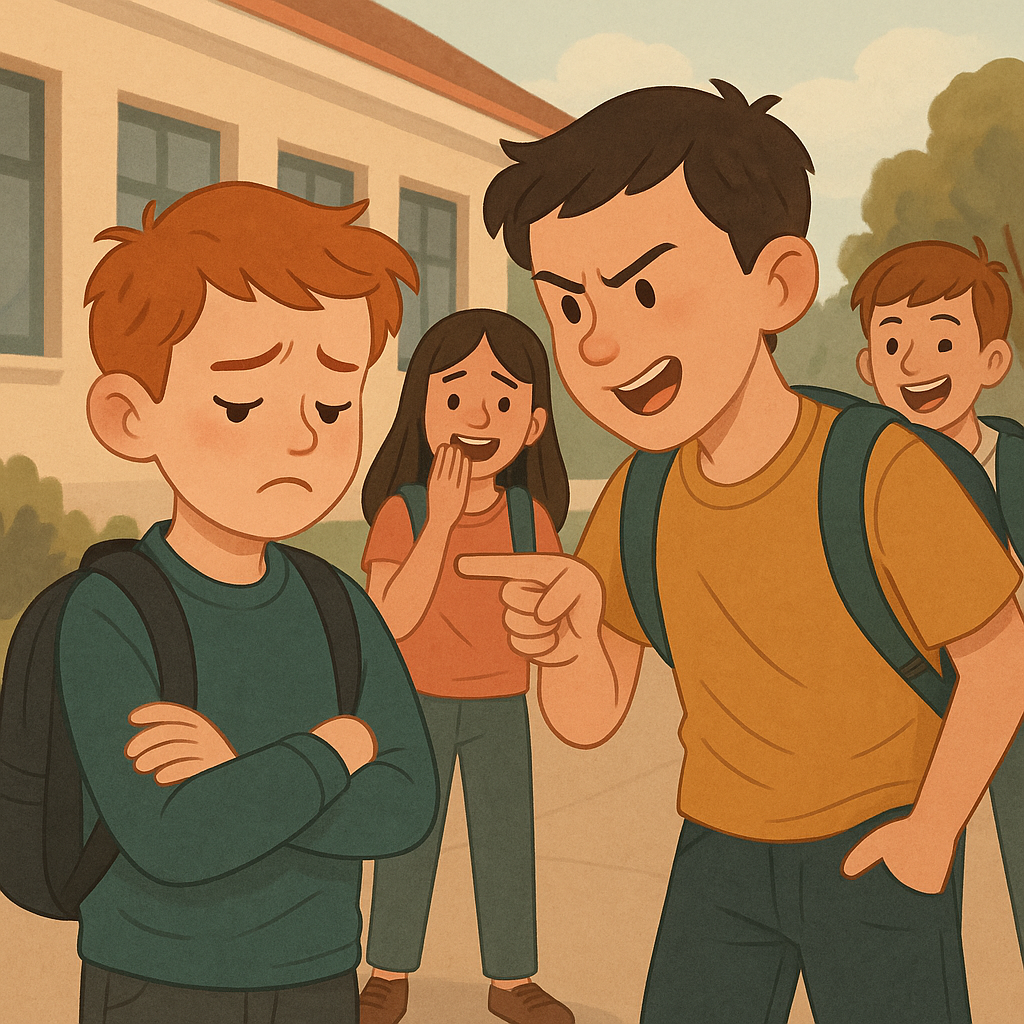
Bullying goes far beyond playground disagreements. It’s a pattern of repeated, intentional behaviour that causes harm. A bully may tease, exclude, intimidate, or act violently toward another child — often in front of others to assert dominance.
Children targeted by bullying often feel powerless. It’s a repeated misuse of power that can lead to long-term emotional and psychological damage.
Different Forms of Bullying
In Quebec schools, bullying can appear in many ways:
- Physical – Hitting, pushing, tripping, or damaging belongings.
- Verbal – Insults, name-calling, threats, or shaming.
- Social – Exclusion, spreading rumours, or turning others against a child.
- Cyber – Harassment or threats via social media, texting, or online games.
To be considered bullying, the behaviour must be repeated and persistent — but even a single harmful incident is worth addressing.
Cyberbullying in Quebec Families
As children get access to screens earlier, cyberbullying is no longer limited to teens. Even in elementary school, kids may encounter harmful messages, peer exclusion online, or image-sharing without consent.
Quebec parents are encouraged to keep tech use in open spaces, use parental controls, and talk regularly about safe online habits. Monitoring doesn’t mean spying — it’s about staying involved.
How to Spot the Signs
Not all kids will tell you when they’re being bullied. Instead, you might notice:
- Sudden drop in school interest or grades
- Refusal to go to school
- Irritability, sadness, or social withdrawal
- Trouble sleeping or physical complaints with no clear cause
- Lost or damaged belongings
- Avoiding certain peers or routes to school
These changes are warning signs — especially when they happen together.
What Quebec Parents Can Do
If you suspect bullying:
- Start the conversation. Ask open, non-judgmental questions.
- Stay calm and supportive. Your child needs to feel safe opening up.
- Validate their feelings. Let them know it’s not their fault.
- Talk about next steps together. Don’t jump straight to punishment or blame.
- Inform the teacher and principal. Schools in Quebec are required to act.
- If needed, escalate. Contact your centre de services scolaire or the student ombudsman if the situation isn’t addressed.
Consider professional help. CLSCs and local community services offer mental health support for children.
What If Your Child Witnesses Bullying?
Witnesses can become powerful allies. Encourage your child to:
- Speak up (if safe), or tell a trusted adult
- Support the victim with kindness or inclusion
- Share what they saw — and praise them for coming forward
Reading children’s books about bullying together is a great way to explore empathy and courage.
Could Your Child Be the Bully?
If a teacher or another parent reports your child’s aggressive behaviour, don’t panic. It’s a chance to address deeper needs:
- Talk calmly with your child — not to scold, but to understand.
- Explain the impact of their actions on others.
- Set clear consequences and boundaries.
- Collaborate with school staff.
- Teach empathy and healthier emotional expression.
- Seek help if patterns persist.
Children who bully often lack confidence, struggle with anger, or repeat behaviours they’ve experienced. It’s not too late to redirect them with the right tools.
Final Thoughts for Quebec Families
Bullying affects not just individual children, but entire communities. In Quebec, we value kindness, fairness, and inclusivity — and that starts at home. By staying present, asking questions, and working with schools, parents can create a safer, more supportive space for all children to thrive.