

Food Refusal in Preschoolers: A Practical Guide for Quebec Families
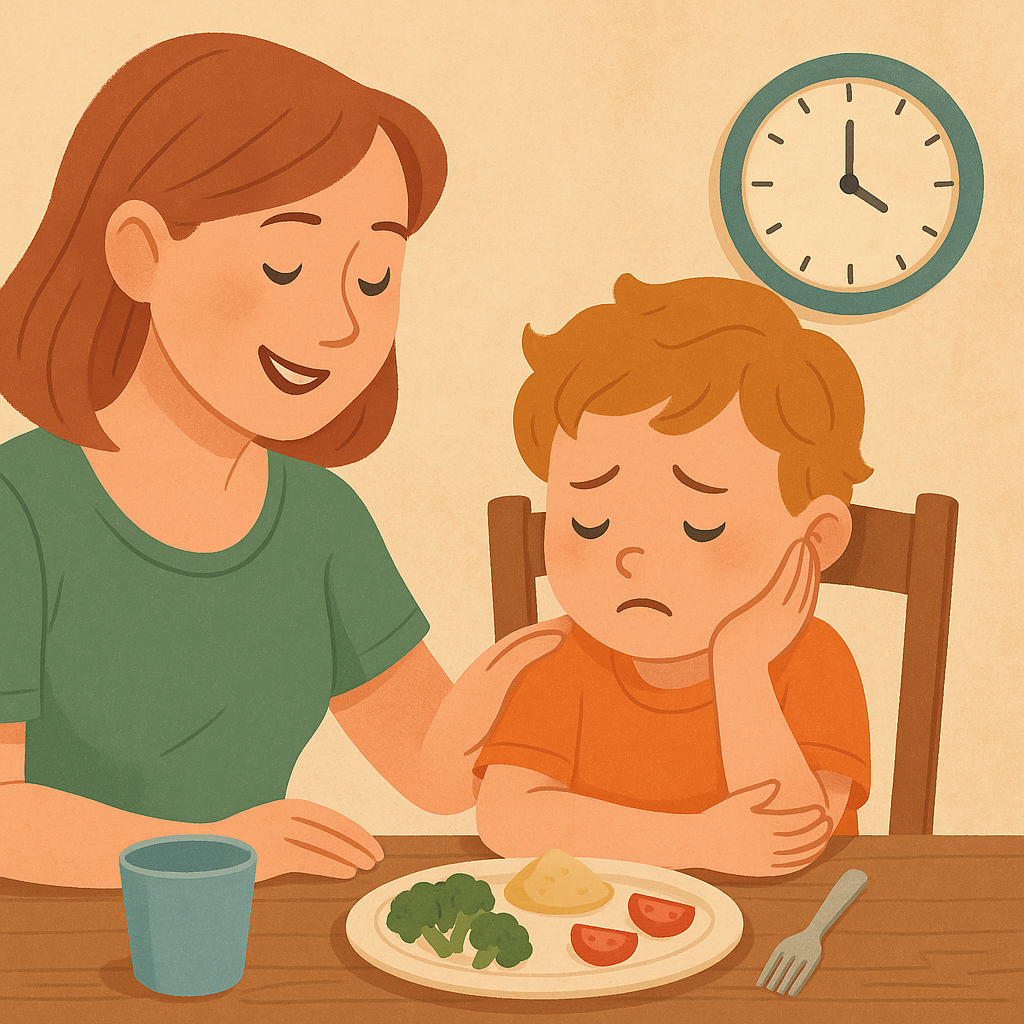
Mealtime can often become a battleground for parents when their little one refuses to eat. Between untouched plates, sudden food preferences, and picky habits, it’s easy to worry. But food refusal is a normal stage of development in children aged 2 to 5. Here’s a complete guide—designed for Quebec families—to help you better understand and support your child through this phase.
Why Do Preschoolers Eat “Like Birds”?
- Natural appetite changes: After their first year, growth slows, and so does appetite. Many healthy, active children may only eat one solid meal a day.
- Asserting independence: Preschoolers use food choices to express autonomy.
- Small stomachs: Young children don’t need large portions. A good rule is one tablespoon of each food per year of age.
- Environmental factors: Tiredness, excitement, or distractions (like screens) can all reduce appetite.
Signs You Don’t Need to Worry
If your child is energetic, happy, and growing along their growth curve, occasional food refusal isn’t a problem.
Strategies for Encouraging Healthy Eating Habits
- Limit sugary drinks
In many Quebec households, juice flows freely in summer. Limit juice to 125 ml (4 oz) per day. Offer water between meals and milk or water only after the meal has begun. - Give your child a heads-up
Let them know 5–10 minutes before mealtime so they can calmly wrap up their activity. - Involve them in food choices
Let them help with grocery shopping, selecting between two vegetables, or preparing the food. Involvement increases curiosity and openness to trying new foods. - Serve small portions and offer more if needed
Start with small amounts. Ask if they’re a little, medium, or very hungry before serving. If they finish and are still hungry, offer more. - Introduce new foods gradually
Offer just one new food at a time, paired with something they already like. Try varying the presentation—carrots raw, grated, cooked, or mashed. - Create a positive atmosphere
Eat together at the table, without screens. Talk positively about food (“This tastes fresh!”) instead of commanding them to eat. Avoid negotiating (“Eat your vegetables and you get dessert”). - Plan meals and snacks consistently
Schedule a healthy snack 1.5 to 2 hours before meals. Avoid letting your child nibble constantly to help them recognize true hunger and fullness. - Limit time at the table
20 to 30 minutes is usually enough for preschoolers. Dragging mealtime out too long may lead to restlessness and frustration. - Be a role model
Children imitate adults. Show enjoyment while eating a variety of healthy foods—they’ll be more likely to try them too. - Don’t force it
If your child refuses a food, don’t insist. Remove it and reintroduce it later. It can take 10 to 15 exposures before a new food is accepted.
Avoid These Pitfalls
- Allowing screens or toys at the table.
- Preparing a second meal after food is refused.
- Making worried comments about how little they eat (this can make meals stressful).
When Should You Consult a Professional?
If your child’s growth stalls, they seem constantly tired, or meals are always stressful, speak to a doctor or registered dietitian. In Quebec, both public CLSCs and private clinics offer personalized nutrition support for families.
Key Takeaways
- Food refusal is normal in preschoolers.
- Offer structure (schedules, age-appropriate portions) and keep the environment relaxed.
- Be patient: repeated exposure and positive modeling are the most effective ways to help your child expand their palate and build lifelong healthy eating habits.